Welcome Home To Priscy Recipes & Cocktails

Are you interested in?

Food recipes

From main dish to the best intercontinental meal recipes

Cocktails

A blend of liquor, sweetened and unsweetened with other ingredients

One cannot think well, love well, sleep well, if one has not dined well.

—Virginia Wolf

Your Everyday Ingredients

ingeredient icon
Orange Blossom Water

Orange flower water, or orange blossom water, is the clear, perfumed by-product of the distillation of fresh bitter-orange blossoms for their essential oil. Uses Mediterranean Relief.jpg This essential water has traditionally been used as an aromatizer in many Mediterranean traditional dessert dishes, such as in France for the gibassier and pompe à l'huile or in Spain for the Roscón de Reyes (King cake), or the Samsa in Tunisia or in Moroccan coffee, but has more recently found its way into other cuisines. For example, orange flower water is used in Europe to flavor madeleines, in Mexico to flavor little wedding cakes and Pan de muerto, and in the United States to make orange blossom scones and marshmallows. Orange flower water is also used as an ingredient in some cocktails, such as the Ramos Gin Fizz. In Malta and many North African as well as Middle Eastern countries, orange blossom water is widely used as medicine for stomach ache and given to small children as well as adults. Orange flower water has been a traditional ingredient used often in North African as well as in Middle Eastern cooking. In Arab variants of baklava, orange blossom water is often mixed with the sweet syrup for flavor. Orange blossoms are believed to be used in this manner because they are seen as the traditional bridal flower and, therefore, symbolize purity (white, small and delicate). It is also added to plain water in the Middle East to mask high mineral content and other unpleasant flavors (e.g. those arising from storage in a qulla, a type of clay jug that keeps water cool in a manner similar to the zeer); some add the fragrance irrespective of the taste of the plain water.

ingeredient icon
Lemongrass Stalks

Lemongrass stalks are the thick, woody, green and yellow stems of the Cymbopogon citratus plant, which are used as a culinary herb for their bright, lemony flavor. They resemble large spring onions but have a tougher, more fibrous texture and are primarily used in Southeast Asian cooking, though they also appear in Western dishes. The flavor comes from aromatic oils, which are released when the stalk is bruised, pounded, or chopped. Uses Flavoring: Lemongrass adds a fresh, citrusy note to a wide variety of dishes, especially soups, curries, and stir-fries. It can be used whole, bruised, sliced, or finely chopped to infuse flavor. Tea: The leaves can be used to make a light, lemony tea. Garnish: The stalks can be used as skewers for kebabs. Preparation Preparation is key: The tough, fibrous outer layers of the stalk should be peeled off before use. Bruising: For a more intense flavor, bruise the stalk with the back of a knife or a rolling pin before adding it to a dish. Chopping/pounding: The bottom 3-4 inches of the stalk are the most edible and flavorful part. It is important to finely chop or pound this section before cooking, as the upper portion is too tough and woody. Removing: If using the stalk whole for flavor, it is recommended to remove it before serving the dish. Shopping and storage Selection: Choose firm, heavy stalks that are green and yellow at the ends and show no signs of bruising. Storage: Fresh stalks can be stored in the freezer for up to a month, wrapped well. Freeze-dried: Freeze-dried stalks are also available, which can be reconstituted in warm water before use.

ingeredient icon
Galangal Paste

Galangal paste is a pre-made blend of galangal, a pungent root from the ginger family, mixed with other ingredients like water, oil, and spices. It is used as a convenient way to add the distinct, peppery, and citrusy flavor of galangal to Southeast Asian dishes like curries, soups, and marinades. The paste has a flavor profile that is sharper and more citrusy than ginger. What it is Based on galangal: The primary ingredient is galangal, a root similar in appearance to ginger but with a more pungent, sharp, and citrusy taste. It is also known as "Thai ginger". Convenient and ready-to-use: Galangal paste is a convenient alternative to fresh or dried galangal, with the hard work of peeling and mincing done for you. Mixture of ingredients: Besides galangal, it typically contains water, oil (such as rapeseed oil), salt, sugar, and sometimes cornflour or citric acid to preserve it. How to use it In curries: It's a staple ingredient in Thai curry pastes, providing a key flavor component. In soups: Add it to soups for an authentic, sharp, and spicy flavor, notes Oriental Mart. In other dishes: It can also be used for sautéing, in marinades, or added to other dishes that require the distinct galangal flavor, explains Socilink. Why it's useful Longer shelf life: As a pre-made paste, it is less likely to spoil than fresh galangal, making it a great pantry staple. Balanced flavor: It helps to balance the sweet, sour, and fresh notes in dishes, according to Oriental Mart.

Browse Ingredient Collection

Get Your Groove On


For That Special Occassion

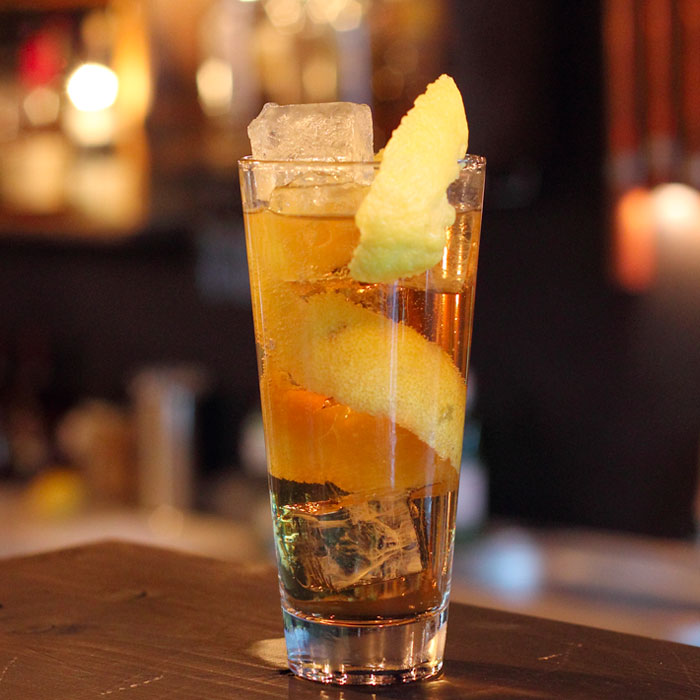
Bee's Knees
Bee's Knees

Glass: Martini Glass

Ingredients & Measures
  • Gold rum - 6 cl
  • Orange Juice - 2 cl
  • Lime Juice - 2 cl
  • Triple Sec - 2 jiggers

Preparation
  • Shake ingredients with crushed ice Garnish with orange peel .